


How Contaminated Land Assessment links to the broader context of Green Finance
The similarities and overlaps between environmental assessments and green finance have become increasingly obvious. Globalfields operates at a level of governance and policy that is a notch above the work I did at Ramboll. At Globalfields, we help inform governments, outline policies, and structure projects or programmes with climate and environmental benefits.
As part of my Industrial Placement year, studying Environmental Science at the University of Leeds, I was fortunate to organise a 6-month internship with Ramboll Australia Pty Ltd in Australia and Globalfields Ltd in the United Kingdom.
At Ramboll, working in the Site Solutions team from the Sydney office, our main focus was contaminated land assessment and reporting in various contexts, including development on brownfield sites, assessment of active sites, and responses to contamination incidents. It was an amazing experience in a new country, and I learned so much during my placement there.
After this initial placement, I have been equally fortunate to spend four months learning about a dimension of environmental studies that has not been heavily emphasised during my years at university: green finance.
Globalfields has such a diverse portfolio of projects and clients all over the world, and I find myself humbled to be an intern here, able to experience and get involved with the work they do. This internship, however, raises some questions amongst friends, peers, and most people I end up speaking to about it: ‘How does Green Finance link to Environmental Sciences?’
Throughout my time here, the similarities and overlaps between environmental assessments and green finance have become increasingly obvious. Globalfields operates at a level of governance and policy that is a notch above the work I did at Ramboll. At Globalfields, we help inform governments, outline policies, and structure projects or programmes with climate and environmental benefits. As part of this work, we often collaborate with environmental consultancies or experts in environmental and social management systems, who then conduct fieldwork to create risk assessments, drawing on knowledge of legal limits on contamination, national and international safe-work standards, and equality laws, for example. These areas are very much elements included in the ESS Performance Standards applied in projects.
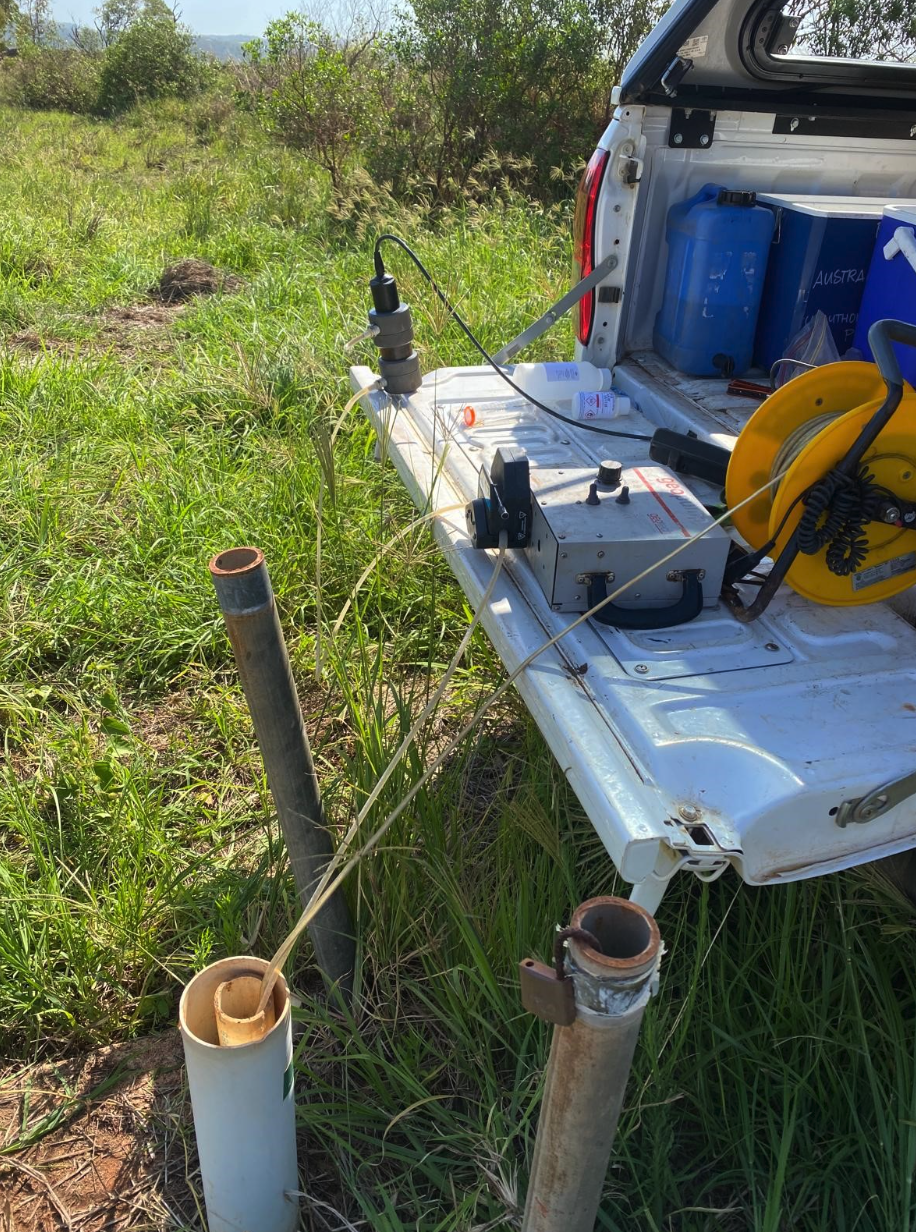
During my time in Australia, I was part of a team that conducted 2 weeks of ground and surface water monitoring for a large industrial site in an environmentally sensitive location. Due to its scale and proximity to a heavily protected marine ecosystem, the site is under significant restrictions on emissions and contamination and thus needs quarterly groundwater monitoring events to ensure there are no exceedances in Heavy Metal, PFAS, Chloride and Nitrate concentrations.
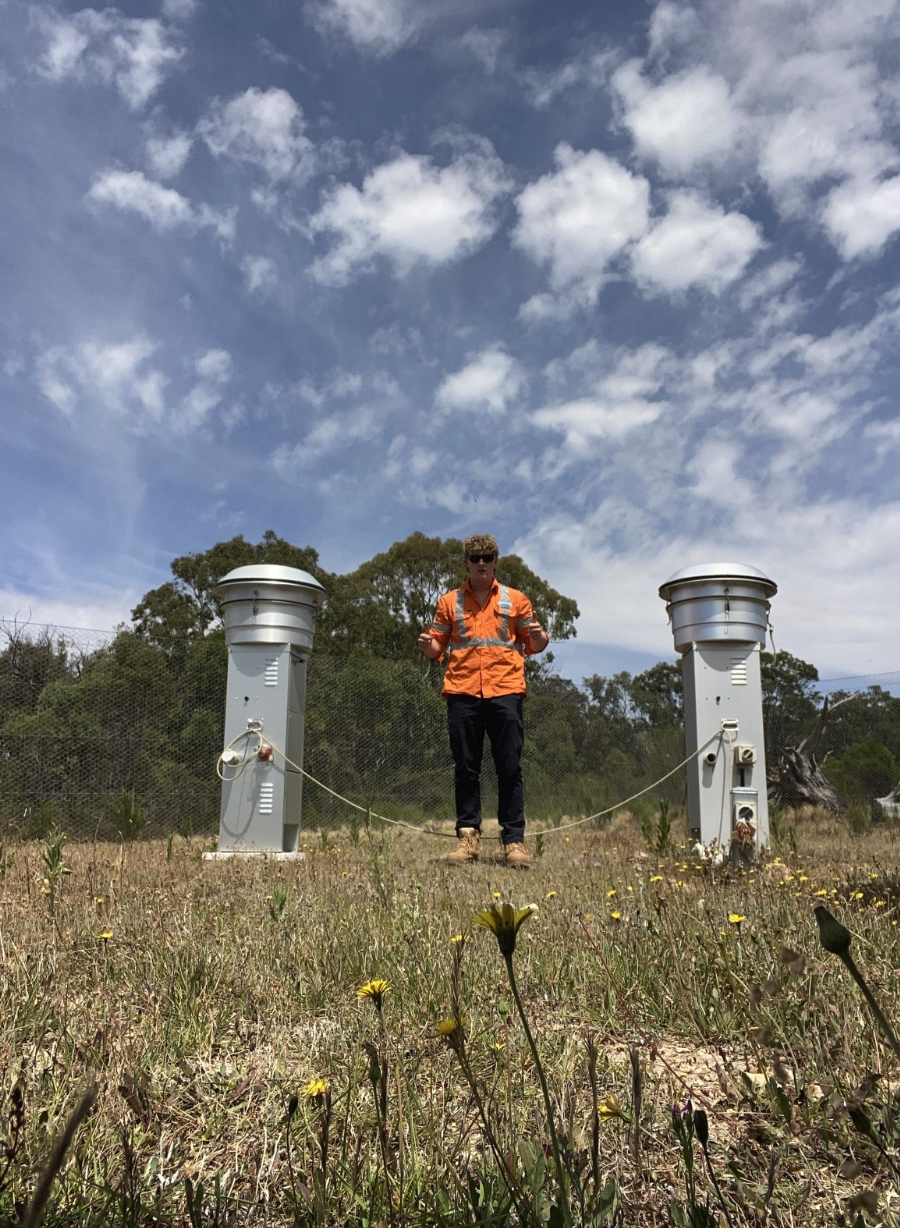
There were hundreds of wells stationed across the site, all of which were sampled to ensure there was no significant contamination spreading from the site through the groundwater and surface water pathways into the surrounding, extremely sensitive environment. These samples were then sent to a lab for analysis. Results were sent back to the Site Solutions team, processed, and reported back to the site, which is obliged to report to the state government on any exceedances that may be identified.
To then look at this from a Green Finance perspective, we collected and reported on data that went to our clients, which was then reported back to the state Environmental Protection Agency (EPA). Should Globalfields ever start working with the government of Australia, as it is currently doing with Cabo Verde and Rwanda, for example, there would be a potential crossover where a national policy is looking at reducing the climate and environmental impact of these large industrial sites, or aiding in financing maintenance and upgrades, site closures and regeneration.
Another, and probably far less tenuous, link between these two work placements involves a mine-closure summary task I completed in Australia. I was asked to compile a table investigating Mine Rehabilitation Management Plans (RMPs) for multiple mine sites that had been, or were in the process of being, decommissioned across New South Wales. The RMPs are strategic plans, much like the NDCs and NAPs that work with at Globalfields, but are site-specific and therefore both spatially and temporally much smaller scale than national strategies and policies. That being said, the structures and components of both are not too dissimilar; clear objectives, alignment with other policies, financing plans and monitoring and reporting obligations.
As I begin my last month here at Globalfields, I must say that this experience has been more interesting and fulfilling than I could have ever imagined. I have learned so much about so many different places around the world and the nuances that come with green finance and sustainable development. I thank the whole team here for having me and teaching me along the way, and wish you all the best!
